
Gambling’s impact on community well-being navigating social landscapes
Gambling’s impact on community well-being navigating social landscapes
The Dual Nature of Gambling
Gambling is often seen through a polarized lens, with opinions split between its potential for harm and its ability to stimulate economic growth. On one hand, the negative consequences of gambling can lead to addiction, financial troubles, and a decline in community cohesion. However, regulated gambling can also bring in substantial revenue, creating jobs and funding local services, such as online casino australia. Understanding this duality is crucial for communities as they navigate the complexities of gambling’s presence.
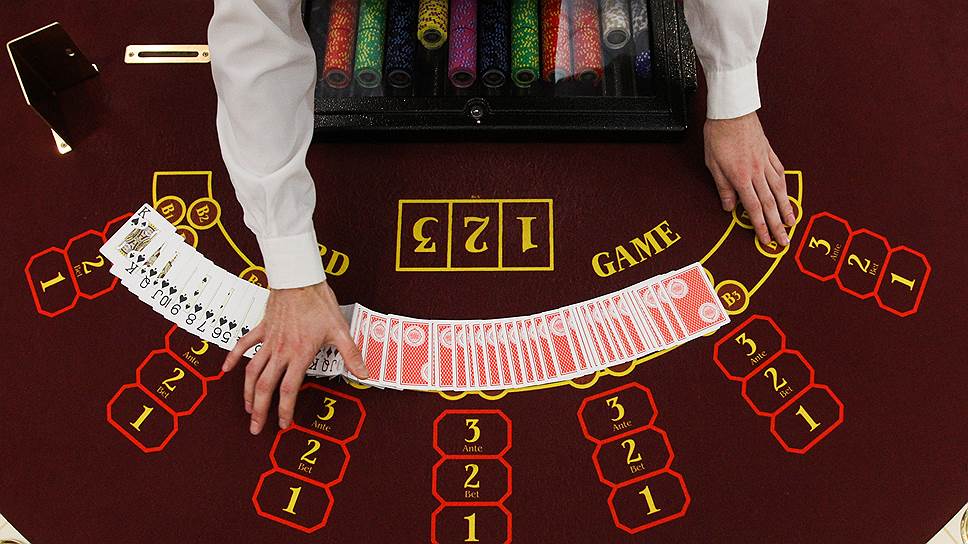
While some may view gambling as a recreational activity, the impact it has on individuals and families cannot be ignored. Increased gambling activity can lead to social issues, including crime and family dysfunction. Community leaders must weigh the benefits against the societal costs, fostering a balanced dialogue to determine the best path forward.
Community Well-Being and Social Dynamics
The relationship between gambling and community well-being is deeply interwoven with social dynamics. Communities that host casinos or betting establishments often experience a surge in tourism and local business. This influx can lead to improved infrastructure and public services, creating a vibrant atmosphere for residents and visitors alike.
However, the presence of gambling establishments can also alter the social fabric of a community. Issues such as increased traffic, noise, and even addiction can create tensions among residents. It is essential for community stakeholders to engage in open discussions, addressing these concerns while highlighting the potential benefits to foster an inclusive environment.
Dispelling Myths Around Gambling
Misinformation surrounding gambling can perpetuate harmful stereotypes and foster a negative public perception. Many believe that gambling is solely an individual choice, neglecting the systemic factors that can contribute to gambling addiction. Debunking these myths is vital for educating the community and fostering a more nuanced understanding of the issue.
Moreover, misconceptions about gambling’s economic benefits can lead to unrealistic expectations. While gambling can indeed contribute to local revenue, it is not a panacea for community challenges. A comprehensive approach that includes responsible gambling initiatives and support services is essential for mitigating negative outcomes.
The Role of Education and Awareness
Education plays a pivotal role in shaping community attitudes towards gambling. By promoting awareness of responsible gambling practices, communities can empower individuals to make informed decisions. Educational programs can help demystify the potential risks associated with gambling, equipping residents with the tools to navigate this social landscape effectively.
Additionally, incorporating gambling education into school curricula can foster a culture of responsibility from a young age. Engaging families and community members in discussions about gambling will facilitate understanding and promote healthier relationships with this form of entertainment.

Exploring Resources and Support Systems
For communities grappling with the impact of gambling, access to resources and support systems is crucial. Various organizations and agencies offer assistance for those affected by gambling-related issues, including counseling and rehabilitation programs. These resources can serve as lifelines for individuals and families in need, promoting recovery and community healing.
Furthermore, local governments and organizations can collaborate to create initiatives aimed at reducing the negative impact of gambling. By pooling resources and fostering community engagement, these efforts can lead to sustainable solutions that enhance community well-being while addressing the complexities associated with gambling.